
Skincare Tips
Why Your Skin Breaks Out After a Facial — and Why That's Normal
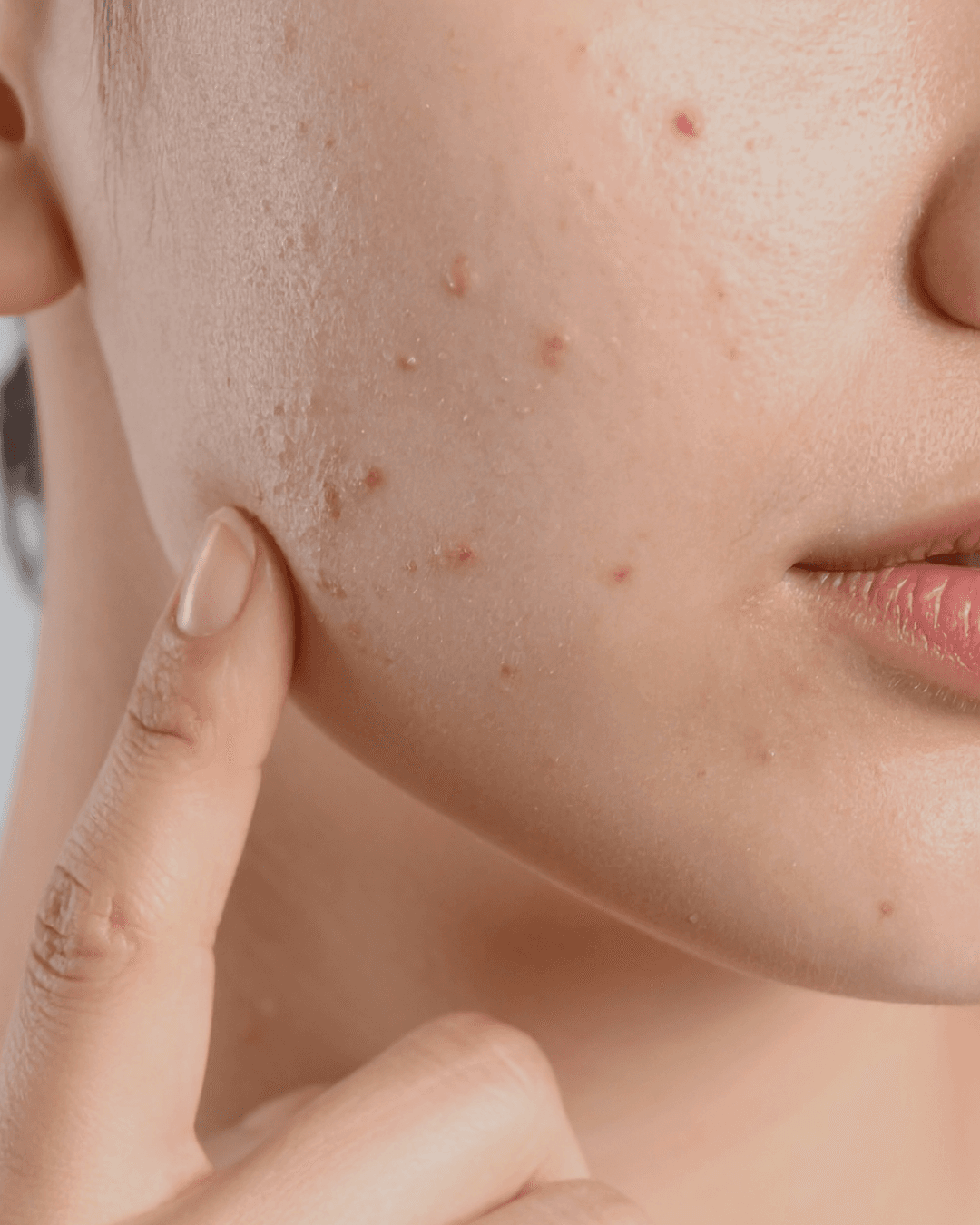
You booked a facial to get clearer skin. So why are you breaking out afterward?
First — don't panic. Post-facial breakouts are more common than you think, and in many cases, they're actually a sign that your skin is doing exactly what it's supposed to do.
Here's what's really going on.
What Is Skin Purging?
When you get a facial — especially one that involves exfoliation, extractions, or active ingredients — your skin cell turnover speeds up. This pushes everything that was lurking beneath the surface (clogged pores, trapped sebum, dead skin cells) up and out faster than it normally would.
The result? Breakouts that were already forming under the skin become visible sooner than they would have on their own.
This is called purging, and it's different from a true breakout caused by irritation or a bad reaction.
Purging vs. a Real Breakout: How to Tell the Difference
Purging typically shows up 1–3 days after your facial, in the same areas you normally break out, clears within 1–2 weeks, and looks like small whiteheads or blackheads.
A reaction shows up during or immediately after the facial, often in new or unusual areas, can persist or worsen over time, and usually looks like redness, hives, or cystic acne.
If your breakout clears within a week or two and appears in your usual problem areas, it's almost certainly purging — not a bad reaction.
Why Does This Happen?
A few things during your facial can trigger purging:
Exfoliation — Chemical exfoliants like AHAs and BHAs, and physical methods like dermaplaning, accelerate cell turnover. This is a good thing, but it can temporarily surface congestion.
Extractions — When your esthetician manually clears your pores, the surrounding tissue can become temporarily inflamed, which may trigger a small breakout nearby.
Circulation boost — Facial massage increases blood flow to the skin. This speeds up your skin's natural processes including pushing impurities to the surface.
Active ingredients — Serums and boosters used during your treatment (especially anything with retinol, salicylic acid, or vitamin C) can trigger accelerated turnover.
Who Is Most Likely to Experience This?
Post-facial purging is most common if:
- You have oily or acne-prone skin
- You don't get facials regularly
- It was your first facial or first time with a new treatment
- Your esthetician performed deep extractions
The more congested your skin is going in, the more likely you are to purge coming out. Think of it as your skin finally getting a deep clean after a long time.
What Should You Do After a Facial?
Give your skin the best chance to heal cleanly:
- Don't pick or squeeze — I know it's tempting, but picking will cause scarring and prolong healing
- Keep it simple — Stick to a gentle cleanser and moisturizer for the first 48 hours
- Avoid heavy makeup — Let your pores breathe for at least 24 hours
- Stay out of the sun — Your skin is more sensitive post-treatment
- Skip the actives — Hold off on retinol, acids, and exfoliants for a 3-5 days
When Should You Be Concerned?
Post-facial purging should resolve within 1–2 weeks. If you're experiencing:
- Severe redness or swelling
- Hives or a rash
- Breakouts in areas you never normally get them
- Skin that's getting worse after two weeks
...reach out to your esthetician. It's possible your skin had a sensitivity to a product used during the treatment, and your provider needs to know.
The Bottom Line
One post-facial breakout shouldn't put you off facials forever. In fact, if you're new to regular treatments, the purging phase is often temporary and once your skin adjusts, you'll start seeing the consistent clarity and glow that comes with ongoing care.
Consistency is everything in skincare. One facial is a good start. Monthly facials? That's where the real transformation happens.
Have questions about what to expect from your first facial? Book a consultation and we can talk through what treatment is right for your skin.